


Allyship Works Better When We Build Coalitions
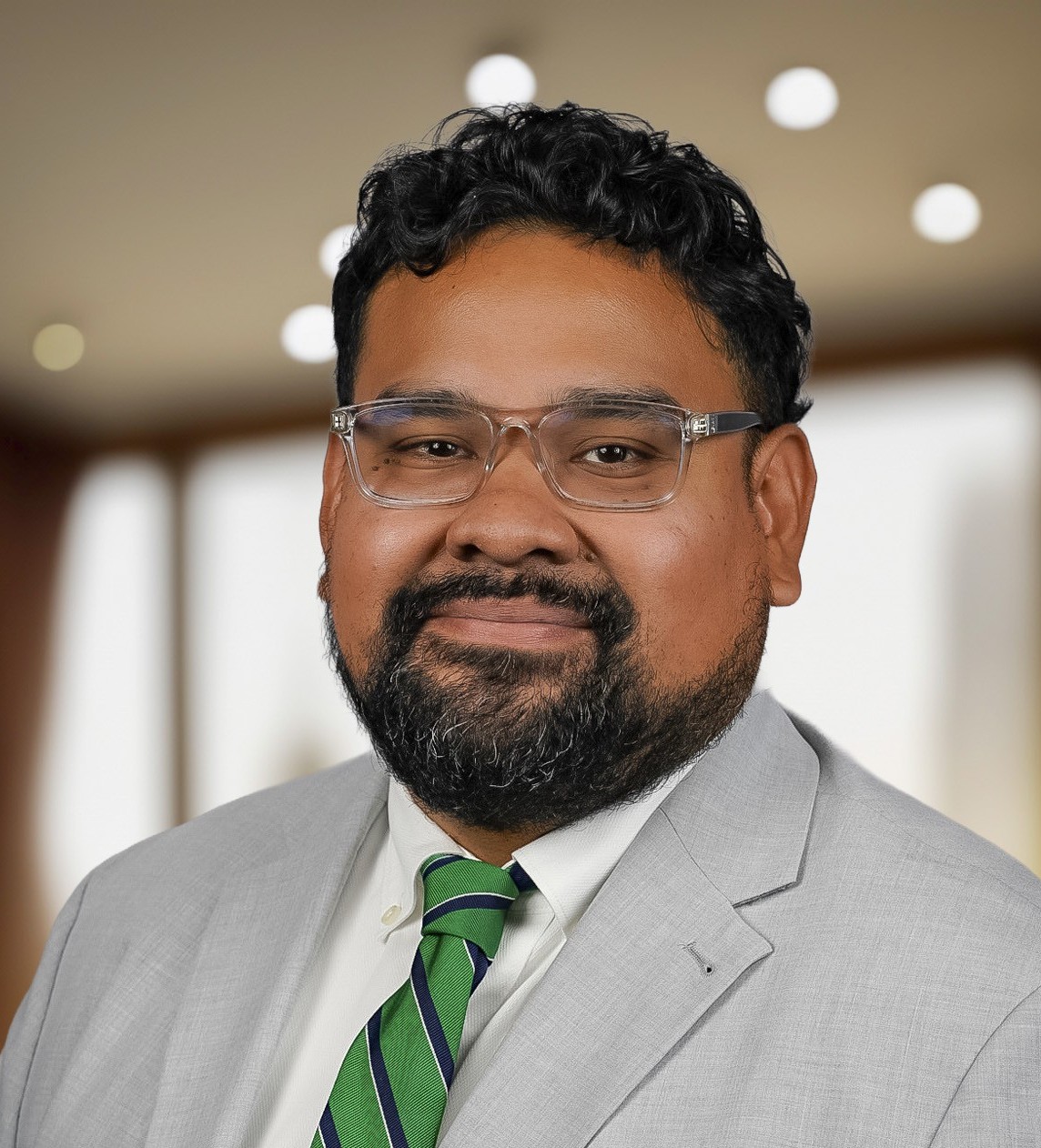
By Jose Marroquin, Senior Manager, Society of Actuaries

One finding from the report, “I Choose to Be Well: Professionals of Color Navigating Well-Being in Contemporary Workplaces” that resonates with me is that allyship remains present but is increasingly uneven. The report also highlights the important role that support systems play in workplace well-being. That connection between support and well-being is something I see regularly in my work, as Senior Manager of University Student Outreach & Member Inclusion at the Society of Actuaries (SOA). I lead university student outreach initiatives and help strengthen inclusion across our membership, which means working with people who share the goal but may demonstrate their commitment in different ways.
Some allies step forward. They ask questions, volunteer, advocate for others, and use their influence to advance the work. Others care about inclusion but become hesitant when the path is complicated or the topic feels politically sensitive. Some enthusiastically support visible initiatives but are less involved in the quieter work needed to sustain them. Inclusion, unfortunately, is rarely achieved through one person.
Different Perspectives, Shared Objectives
This unevenness does not always mean people have stopped caring. Allies may be uncertain about what to say, worried about making a mistake, or waiting for clearer direction from leadership. That is why coalition-building matters. Inclusion cannot depend on one person, one department, or a handful of committed champions. It requires people with different perspectives and levels of influence working toward a shared objective.
Coalition-building is especially important for associations because our members are diverse. They may share a profession or industry, but they differ across race, ethnicity, gender, geography, generation, career stage, professional background, and lived experience. A common professional identity does not create a common experience. Associations must recognize both what connects their members and what makes their needs and pathways distinct.
In university student outreach, this means engaging students, faculty, volunteers, employers, members, and organizational leaders. Each group sees a different part of the student experience. Students can identify barriers that established professionals may not see. Faculty understand academic and financial pressures. Employers can provide internships, while members can offer mentoring and help students envision themselves in the profession. No single group has the full picture, but together we can create a stronger system of support.
Powerful Signals of Inclusion
My service on the SOA Employee Engagement Committee—and previously on the HR Advisory Board—has reinforced the same lesson internally. Inclusion is not solely the responsibility of Human Resources or the person with “inclusion” in their title. It is shaped by how managers lead, whose ideas receive attention, how decisions are communicated, and whether employees feel safe raising concerns. These everyday actions also send powerful signals about what is valued, who belongs, and whether support can be trusted. Committees provide structure, but their value comes from turning multiple perspectives into everyday practice.
Effective coalitions must also make room for allies who are still learning. We cannot expect everyone to begin with identical knowledge, confidence, or vocabulary. At the same time, good intentions are only a starting point. Allies must listen, learn, remain consistent, and act—even when the work is uncomfortable or far from the spotlight.
The goal is not to assemble a team of perfect allies. That meeting would be difficult to schedule. The goal is to build a dependable coalition in which everyone understands their role. When allyship is uneven, coalitions create continuity, distribute responsibility, and help embed inclusion in an association’s culture. They also help create the reliable support systems that contribute to stronger workplace well-being. Allyship matters, but coalition-building is what makes it sustainable.


Comments